1
Watch at Your Own Pace
Learners receive five prerecorded video classes and can watch each lesson whenever it fits their schedule.
Five-Part Self-Paced Video Program
A science-based video program that helps young people understand how emotions influence their bodies, communication, behavior, and decisions.
Welcome to The Science of Emotions. This self-paced program invites learners to become emotions scientists by investigating what emotions are, why humans experience them, and how they affect our bodies and decisions.
Emotions are states that our bodies enter to prepare us for the moment. Everyone experiences emotions, but some emotions are rarely explained or discussed clearly.
Defining emotions can remove some of their mystery. Clear definitions can also give learners and families a shared vocabulary for communication, self-reflection, and conversations about emotional experiences.
Learners receive five prerecorded video classes and can watch each lesson whenever it fits their schedule.
Each video includes 20 questions that help learners recognize and review the most important concepts.
Learners can use all 100 questions to review the complete program through a Gimkit game.

Class 1
Explore how the body responds to uncertainty, unexpected events, potential threats, and rapidly changing situations.

Class 2
Explore connection, belonging, loss, relationships, and the importance of caring for other people.

Class 3
Investigate self-evaluation, social expectations, perspective-taking, and understanding another person’s experience.

Class 4
Learn how these emotional states may relate to protection, boundaries, conflict, and reactions to unfair situations.
Class 5
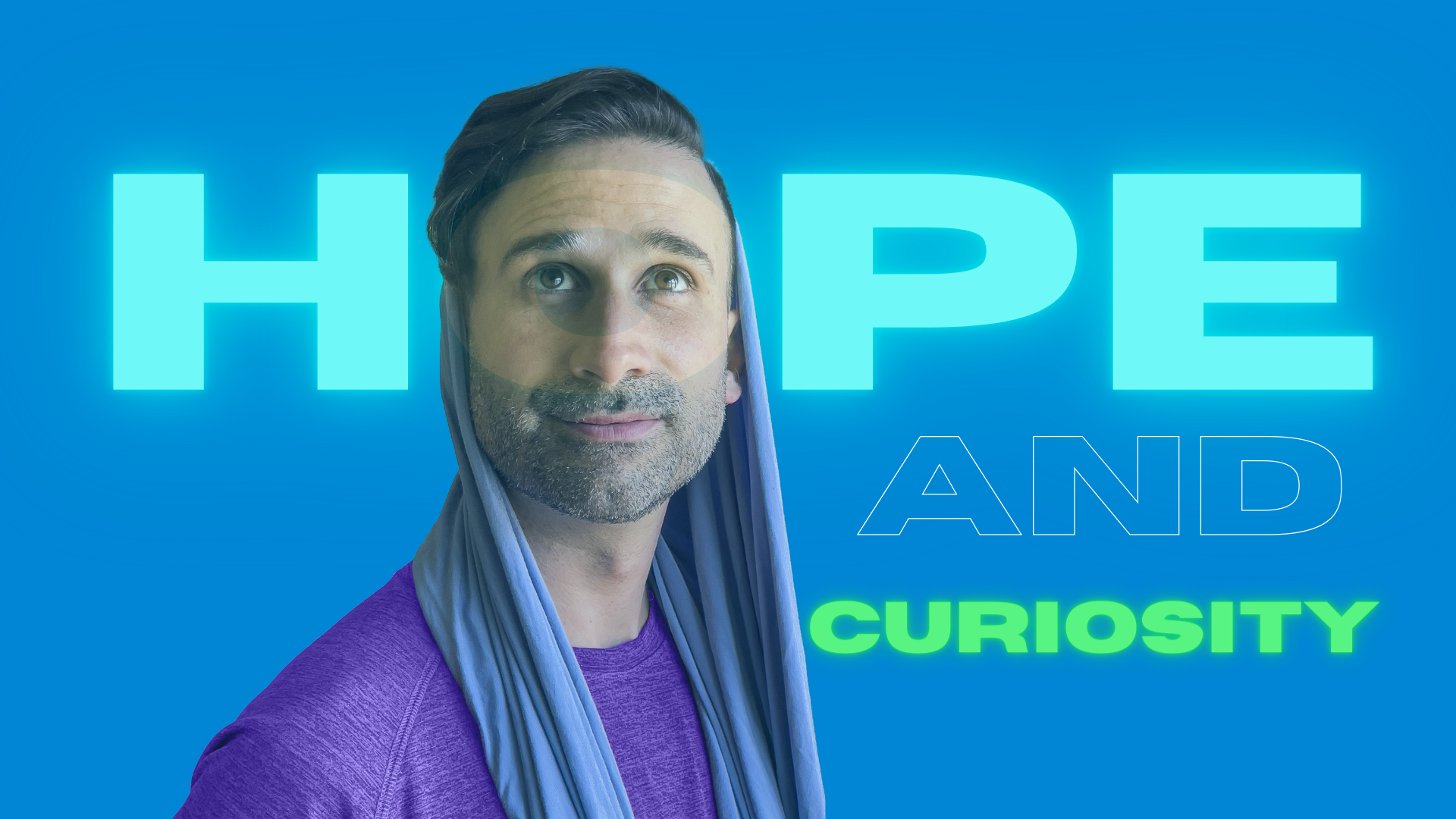
Explore possibility, imagination, future thinking, and the desire to understand something new.
Teacher Rob appears in the corner of the video screen and guides learners through every lesson.
The space-themed lessons combine pictures, animated slides, visual effects, and motion graphics created with After Effects. The presentation is designed to feel different from a traditional classroom slideshow.
Motion is a translucent 3D character with a visible nervous system. Motion’s nervous system changes color as different emotional states are explored.
Learning clear definitions for emotions can support better conversations about communication, reactions, self-talk, and decision-making.
The goal is not to eliminate emotions. Emotions are part of being human. The goal is to understand them more clearly and respond with greater awareness.
An emotions scientist learns to pause and ask: “What am I reacting to?”
Thank you for considering The Science of Emotions Master Program for your learner and your family.
$200
Return to the Main Website